
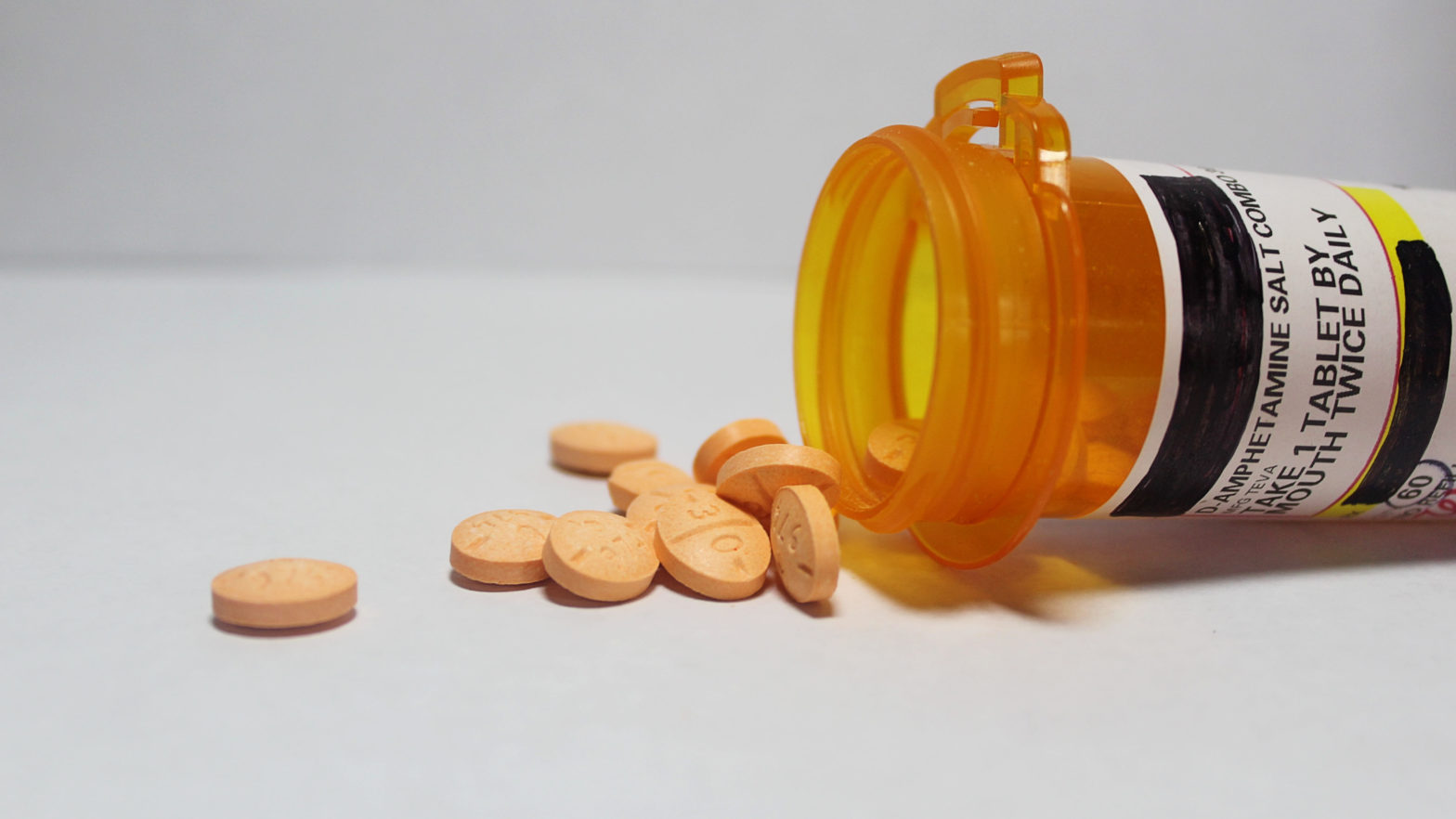
Adderall 10mg is often one of the most commonly prescribed starting doses for individuals managing attention-related conditions, and many people wonder how it compares to higher strengths. When evaluating whether a stronger dosage is appropriate, understanding how Adderall 10mg works in the body is essential for making informed decisions about treatment. This comparison becomes especially relevant when patients are transitioning between doses or considering adjustments under medical supervision.
For many individuals, Adderall 10mg provides a balanced level of symptom control with manageable side effects. However, questions arise when comparing it to stronger formulations, especially regarding tolerance, effectiveness, and overall safety. The concern about whether a higher dose feels “too strong” depends on several physiological and therapeutic factors rather than just the numerical difference in dosage.
How Adderall 10mg Compares in Strength and Effects
Adderall 10mg is generally considered a low to moderate dose, often prescribed to beginners or those sensitive to stimulant medications. It provides noticeable improvements in focus, attention span, and impulse control without overwhelming the central nervous system. For many patients, this dosage serves as a baseline to assess how their body reacts before increasing the strength.
In contrast, higher doses significantly amplify stimulant effects, which can lead to increased alertness but also a higher likelihood of side effects. The transition from a lower dose to a higher one is not always linear in experience. Some individuals may feel a dramatic shift, while others may only notice a moderate increase in effectiveness.
How Dosage Impacts the Body
The human body processes stimulant medications based on metabolism, weight, brain chemistry, and tolerance. Adderall 10mg is typically metabolized efficiently, providing steady symptom relief for several hours without causing excessive stimulation. This makes it suitable for individuals who require moderate cognitive enhancement without prolonged intensity.
When dosage increases, the central nervous system receives stronger stimulation, which can lead to heightened dopamine and norepinephrine activity. While this may improve focus further, it can also introduce side effects such as restlessness, elevated heart rate, or anxiety, especially in those not accustomed to higher doses.
Why Higher Doses Feel Stronger
The perception of a dose being “too strong” often relates to how abruptly the medication affects the user. Adderall 10mg usually produces a gradual onset of effects, whereas higher doses may create a more noticeable and rapid shift in mental state. This can feel overwhelming for individuals who are new to stimulant therapy.
Additionally, sensitivity plays a key role. Some individuals respond strongly even to lower doses, while others may require gradual increases. What feels manageable for one person might feel excessive for another, which is why dosage adjustments must always be personalized.
Understanding adderall 30 mg sandoz
adderall 30 mg sandoz is a higher-dose formulation that delivers a significantly stronger stimulant effect compared to lower strengths. It is typically prescribed to individuals who have developed tolerance to lower doses or require more substantial symptom control for severe attention difficulties.
For some patients, adderall 30 mg sandoz offers improved productivity and sustained focus throughout the day. However, it also increases the likelihood of side effects, including insomnia, appetite suppression, and jitteriness. This makes proper medical supervision essential when transitioning to or starting this dosage.
Is a Higher Dose Always More Effective?
It might seem logical that a stronger dose leads to better results, but this is not always the case. Adderall 10mg can be highly effective for many individuals, especially when their symptoms are mild to moderate. Increasing the dose beyond what the body needs does not necessarily improve outcomes and may instead reduce overall comfort.
Effectiveness depends on achieving the right balance between symptom control and tolerability. A dose that is too high may impair concentration due to overstimulation, causing distraction, irritability, or mental fatigue. This is why doctors aim to find the lowest effective dose rather than the highest tolerable one.
Benefits of Staying at Lower Doses
Adderall 10mg offers several advantages, particularly for those who are new to treatment. It allows the body to adapt gradually, reducing the risk of side effects and making it easier to evaluate how the medication affects daily functioning. Lower doses also tend to have a shorter duration of intense effects, which can be beneficial for maintaining normal sleep patterns.
Another benefit is reduced dependency risk. While all stimulant medications carry some potential for misuse, starting with and maintaining a lower dose helps minimize this concern. It also provides flexibility for future adjustments if needed.
Risks of Jumping to Higher Strengths
Moving too quickly to a higher dose can lead to overstimulation. Individuals who skip gradual titration may experience symptoms such as rapid heartbeat, anxiety, or even mood swings. These effects can interfere with productivity rather than enhance it.
Higher doses also increase the likelihood of developing tolerance more quickly. This means the body may adapt to the medication faster, requiring even higher doses over time to achieve the same effect. Such a cycle is not ideal for long-term treatment planning.
When adderall 30 mg sandoz May Be Appropriate
adderall 30 mg sandoz may be suitable for individuals who have been on lower doses like Adderall 10mg for an extended period and no longer experience adequate symptom relief. It is often introduced gradually after careful evaluation by a healthcare provider.
In cases of severe attention disorders, a higher dose may provide the level of cognitive support needed for daily functioning. However, this decision should always be based on medical assessment rather than self-adjustment.
Choosing the Right Dose for Your Needs
Selecting the appropriate dosage involves more than comparing numbers. Adderall 10mg may be ideal for one person, while another may benefit from a higher dose depending on their symptoms, lifestyle, and overall health profile. The goal is to achieve consistent focus and productivity without compromising well-being.
Doctors typically begin with lower doses and adjust gradually based on patient response. This process, known as titration, ensures that the medication is both effective and safe over time. It also helps identify the point at which increasing the dose no longer provides additional benefits.
Factors That Influence Dosage Decisions
Several factors determine whether Adderall 10mg is sufficient or if a higher dose is needed. These include age, body weight, metabolic rate, severity of symptoms, and any coexisting medical conditions. Each of these variables affects how the body processes stimulant medications.
Lifestyle also plays a role. Individuals with demanding schedules or high cognitive workloads may require longer-lasting or stronger effects. However, this does not automatically mean a higher dose is necessary, as timing and formulation can also be adjusted.
Signs Your Dose May Be Too High
Recognizing when a dose is too strong is crucial for maintaining balance. Symptoms such as excessive nervousness, irritability, insomnia, or a racing heartbeat may indicate that the medication is more than the body can comfortably handle. In such cases, reducing the dose may improve overall functioning.
Adderall 10mg rarely produces severe overstimulation when used appropriately, which is why it is often preferred as a starting point. If side effects become noticeable after increasing the dose, it may be worth reconsidering whether a lower strength is more suitable.
Balancing Effectiveness and Safety
The optimal dosage is one that provides noticeable improvements in attention and focus while maintaining emotional stability and physical comfort. Adderall 10mg often strikes this balance for many individuals, especially when combined with behavioral strategies and healthy routines.
Adjustments should always be made gradually and under medical supervision. Abrupt changes can disrupt the body’s equilibrium and lead to inconsistent results. A steady, monitored approach ensures long-term success with minimal risks.
Final Thoughts
Determining whether a higher dose is too strong depends on individual response rather than a fixed comparison. Adderall 10mg serves as an effective and reliable option for many people, offering balanced symptom control with fewer side effects. While stronger doses may provide additional benefits in certain cases, they also come with increased risks that must be carefully managed.
Ultimately, the question is not just about strength but about suitability. The right dosage is the one that aligns with your body’s needs, supports your daily activities, and maintains your overall well-being. Consulting with a healthcare professional remains the most important step in finding that balance and ensuring safe, effective treatment over time.