
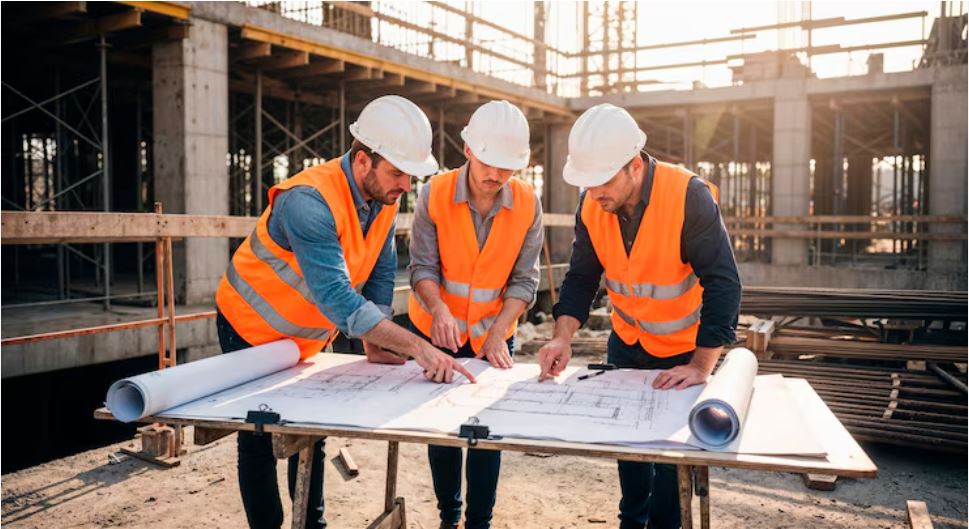
Building a new space or improving an existing property requires careful organization. Many tasks need to happen in the right order. Materials must arrive on time. Workers need clear instructions. Budgets and schedules must also be monitored throughout the project. Construction project management provides a structured way to coordinate these moving parts and keep the work focused on the agreed goals.
Begin With Detailed Planning
Good construction starts before workers arrive at the property. The owner and construction team should first discuss the project’s purpose, size, design, budget, and expected completion date. These details help create a practical plan. A strong plan can also reduce confusion once construction begins.
The project scope should explain the work in clear terms. It should identify major construction activities, materials, finishes, and other important requirements. This gives the contractor and owner a shared reference. It also makes it easier to identify work that falls outside the original agreement.
Planning should include possible risks. Weather, material shortages, site conditions, and design changes can affect construction. A project team that considers these issues early can prepare alternative solutions. This can help reduce unnecessary delays.
Coordinate Design and Construction
Design decisions affect many parts of a building project. A floor plan may influence electrical work, plumbing, lighting, flooring, and structural requirements. These elements need to work together. Poor coordination can result in changes that increase project costs or extend the schedule.
A Design build company can help connect the design and construction stages. Instead of separating these responsibilities between unrelated teams, the owner can work with one coordinated provider. Designers and construction professionals can discuss practical building methods during the planning process. This can make it easier to balance design goals with budget and construction requirements.
This approach can work well for residential and commercial projects. It can support renovations, additions, remodeling projects, and new construction. The exact process depends on the project’s size and complexity. However, the main goal remains the same: create better coordination between planning and construction.
Set a Realistic Budget
Budget planning should be completed before major work begins. The estimate should account for labor, materials, equipment, permits, design services, and other expected expenses. Property owners should also consider unexpected costs. A reserve can provide flexibility if conditions change during construction.
Material choices have a direct effect on the budget. Contractors should consider product quality, availability, durability, and installation requirements. A suitable material should provide the right balance between cost and performance. The cheapest option may not always provide the best long term value.
Budget monitoring should continue throughout the project. The team can compare actual expenses with the original estimate. If costs begin to increase, the reason should be identified quickly. Early adjustments can help prevent larger financial problems later.
Build an Effective Schedule
A construction schedule organizes the sequence of work. It may include site preparation, foundation work, framing, roofing, electrical systems, plumbing, insulation, drywall, flooring, painting, and final inspections. Each stage should have a realistic timeframe. The schedule should also account for dependencies between different tasks.
Material delivery needs to be part of the schedule. Workers may not be able to complete certain tasks without the required products. Delayed materials can create idle time and affect other trades. Tracking orders and delivery dates can help reduce these problems.
Weather can also influence construction. Outdoor work may be delayed by heavy rain, strong winds, or extreme temperatures. A flexible schedule allows the team to adjust when necessary. Regular schedule updates help the owner understand the project’s current status.
Manage Contractors and Trades
Most construction projects involve several skilled trades. Electricians, plumbers, carpenters, painters, flooring installers, and other professionals may all work on the same property. Their tasks need to be coordinated carefully. Poor coordination can cause workers to interfere with each other’s work or create scheduling gaps.
A project manager or contractor can organize these activities. The team can determine when each trade should arrive and what work must be completed first. This helps create a smoother workflow. It can also reduce unnecessary waiting between construction stages.
Clear responsibilities are important as well. Every worker and subcontractor should understand the tasks assigned to them. The project team should also know who is responsible for inspections, materials, scheduling, and communication. Clear roles can improve accountability.
Maintain Quality During Every Stage
Quality control should not be left until the final inspection. Construction teams should review work throughout the project. They can check measurements, materials, installations, finishes, and other details as different stages are completed. Early inspections make it easier to correct problems.
Following approved plans is another part of quality control. Workers should have access to the current project documents. If changes are approved, updated information should be shared with the relevant trades. This reduces the risk of workers following outdated instructions.
The final walkthrough provides another opportunity to check the completed work. The owner and contractor can review each area and identify unfinished or incorrect items. These items can be placed on a punch list. The team can then complete them before the project is formally closed.
Keep Communication Clear
Construction involves many decisions. Owners may need to approve materials, design changes, schedules, or additional work. Clear communication helps make these decisions easier. Regular updates can also prevent owners from being surprised by changes.
Important decisions should be documented. Emails, project software, written approvals, and other records can help create a clear history of the project. This is especially useful when a change affects the budget or timeline. Documentation gives everyone the same information.
Technology can make communication more convenient. Digital schedules, progress photos, shared documents, and project management platforms can help organize information. Owners can review updates without visiting the site every day. These tools can support better communication between the project team and property owner.
Control Project Changes
Changes can happen even with detailed planning. An owner may want a different finish or an additional feature. A product may also become unavailable. Site conditions can sometimes require a design adjustment.
Every change should be reviewed before the work is completed. The contractor should explain how the change may affect cost, materials, labor, and schedule. The owner can then decide whether to approve it. This process helps prevent unexpected expenses.
Written change orders are useful for larger modifications. They should clearly describe the revised work and associated costs. Both sides should understand the updated requirements. This keeps the project scope organized.
Choose the Right Construction Partner
Selecting a construction company requires more than comparing prices. Property owners should consider experience, communication, workmanship, project management, and the types of projects the company has completed. A contractor should also be willing to explain the construction process clearly. This can help establish realistic expectations.
Local experience can be valuable. Contractors familiar with the area may understand local requirements, permitting processes, suppliers, and common construction conditions. They may also know how to coordinate local trades. This knowledge can support better project planning.
Property owners should ask about the company’s approach before signing an agreement. Questions about scheduling, materials, payment terms, project changes, and communication should be discussed. A clear agreement can help both sides understand their responsibilities. It also creates a useful reference throughout the project.
Why Professional Management Matters?
Construction can become difficult to manage when multiple tasks happen at the same time. Professional project management provides a system for coordinating these activities. It helps organize schedules, budgets, materials, workers, inspections, and communication.
Good management can also make problems easier to handle. Delays and unexpected issues may still happen, but the team has a process for responding to them. Regular progress reviews help identify problems early. This can reduce their effect on the overall project.
The goal is to complete the work according to the agreed scope and quality standards. Professional management helps keep attention on that goal. It gives owners a clearer view of project progress and provides the construction team with an organized workflow.
Frequently Asked Questions
What does construction project management cover?
It can cover planning, budgeting, scheduling, contractor coordination, material management, quality checks, communication, inspections, and project documentation. These activities help organize the construction process.
Why should a construction project have a written scope?
A written scope explains what work is included in the project. It helps the owner and contractor understand their responsibilities and provides a reference if questions arise during construction.
Can design build services simplify construction?
Yes. Design build services combine design and construction coordination under one provider. This can reduce communication gaps and make it easier to connect design decisions with construction requirements.
How can project delays be reduced?
Delays can be reduced through realistic scheduling, early material ordering, trade coordination, regular progress monitoring, and clear communication. Having backup plans can also help when unexpected problems occur.
What should homeowners ask a contractor before hiring?
Homeowners can ask about experience, previous projects, scheduling, budgeting, materials, communication, permits, warranties, and change procedures. They should also make sure the project scope is clearly documented.
Conclusion
Successful building projects require organized planning and consistent communication. Careful budgeting, scheduling, quality control, and contractor coordination can help keep work moving in the right direction. Working with experienced General contractors in Fairway, KS can give property owners professional support throughout different stages of construction. H3 Design Build provides design and construction services in Fairway, KS, and surrounding areas, helping clients approach their projects with practical planning, coordinated execution, and clear communication.