
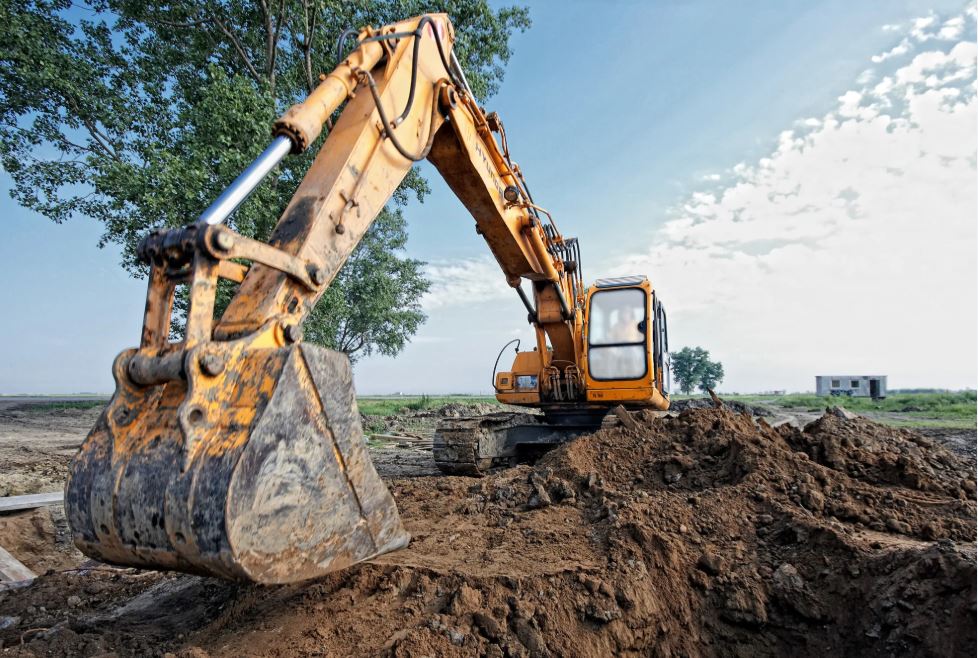
Preparing a property for construction takes careful planning and proper ground work. Excavation service near me can be an important part of projects involving foundations, patios, drainage systems, utility lines, and other improvements. Professional excavation helps create the right conditions for construction. It can also reduce problems caused by unstable soil, poor grading, or improper drainage.
Understanding the Excavation Process
Excavation is more than removing dirt from a property. It involves preparing the ground according to the requirements of a specific construction project. Contractors may need to dig, level, remove materials, create trenches, or shape the land. Each task requires the right equipment and proper measurements.
The first step is usually an assessment of the work area. Contractors review the size of the project, soil conditions, property access, and nearby structures. Existing utilities may also need to be identified before digging starts. This planning helps create a safer and more efficient work process.
The excavation method depends on the type of project. A foundation may require deep and precise excavation. A patio may need a shallower prepared area. Utility work may require narrow trenches with specific depths.
Preparing Land for Construction
Land preparation creates a suitable base for future construction. It can involve clearing vegetation, removing debris, leveling uneven areas, and moving soil. The goal is to create a clean and stable work area. Proper preparation can make later construction stages easier.
Uneven land can cause problems if it is not corrected before construction. Structures need proper support beneath them. Grading can help create a more consistent surface while also improving water flow. These steps are especially useful for properties with slopes or uneven terrain.
Site access should also be considered. Heavy equipment needs enough room to reach the excavation area. Tight spaces may require smaller machinery. A professional contractor can review access conditions before work begins.
Foundation Preparation
The foundation is one of the most important parts of a building. It transfers the weight of the structure into the ground. This makes soil preparation and excavation critical. A poorly prepared foundation area can create problems that are difficult and expensive to correct later.
Foundation installation in Albuquerque NM requires careful planning around soil, drainage, grading, and construction requirements. Each property can have different ground conditions. The excavation depth and preparation method should match the planned foundation. Proper compaction and site preparation can help provide better support.
Foundation work also requires accurate measurements. The excavation must follow the planned dimensions. Contractors need to maintain the correct depth and shape throughout the process. Accurate preparation helps the foundation crew continue work without unnecessary adjustments.
The Role of Soil Conditions
Soil affects almost every construction project. Some soils can provide strong support, while others may shift or hold moisture. Soil conditions can also change across the same property. A proper site evaluation helps identify potential concerns.
Loose soil may need compaction before construction. Unsuitable material may need to be removed and replaced. In some situations, additional preparation may be required. The appropriate method depends on the site and the construction plans.
Soil should also be considered when planning drainage. Water can affect soil stability over time. Proper grading and drainage systems can help control moisture around structures. This can support the long term condition of the property.
Importance of Proper Drainage
Drainage is an important part of site preparation. Water should move away from buildings and other areas that could be damaged by excess moisture. Poor drainage can result in standing water, erosion, and soil movement. These issues can affect both outdoor and structural improvements.
Excavation can help create drainage channels and prepare areas for underground drainage pipes. Grading can also direct water toward appropriate collection points. The solution depends on the property’s layout. Contractors should consider existing drainage patterns before changing the grade.
New construction can alter how water moves across a property. A patio, driveway, addition, or retaining wall may block an existing flow path. Planning drainage before construction helps avoid these problems. Proper water management can also improve the usability of outdoor spaces.
Excavation for Utility Lines
Many construction projects require underground utilities. Water lines, sewer systems, electrical conduits, and drainage pipes may need trenches. These trenches must be prepared according to the requirements of the installation.
Utility excavation requires careful planning. Existing underground lines should be located before digging begins. Contractors need to work carefully around known utilities and existing structures. Proper procedures can help protect both workers and property.
Once the utility is installed, the trench must be backfilled correctly. Loose backfill can settle and create low areas at the surface. Compaction can help reduce this issue. Proper completion keeps the property more stable after underground work is finished.
Preparing for Patio Projects
A patio can add useful outdoor space to a residential property. It can provide an area for seating, dining, family activities, or entertaining guests. However, the surface needs proper support. Ground preparation plays an important role in patio performance.
Before starting a Patio construction service, the site should be evaluated for drainage, soil condition, slope, and access. Vegetation and unsuitable materials may need to be removed. The area should then be excavated and prepared to the required depth. A stable base can help reduce movement and surface problems.
The patio material also affects the preparation process. Concrete, pavers, natural stone, and other materials have different requirements. Proper leveling and compaction are important for each option. The finished surface should also allow water to drain properly.
Equipment Used for Excavation
Excavation projects often require specialized machinery. Excavators can dig foundation areas and remove large quantities of soil. Skid steers can move materials in smaller spaces. Loaders can transport soil and other materials around a jobsite.
Equipment selection depends on the project. Large machines may be useful for major excavation work. Smaller equipment may be better for residential properties with limited access. Using the right machine can improve productivity and reduce unnecessary disturbance.
Operator experience is also important. Excavation equipment can cause damage if it is used carelessly near structures or utilities. Skilled operators can work with greater control. They can also adjust their approach based on the site’s conditions.
Excavation Safety
Safety should be considered throughout every excavation project. Heavy equipment, open trenches, and unstable soil can create hazards. Workers should follow appropriate safety practices. The work area should also be controlled to prevent unauthorized access.
Underground utilities require special attention. Before digging, contractors should determine whether utility lines are present. Damaging a buried line can create serious safety concerns. Careful planning reduces this risk.
Weather conditions can also affect safety. Rain can make soil unstable and create slippery surfaces. Wind can create dust and affect loose materials. Contractors should monitor conditions and make adjustments when necessary.
Managing Excavated Soil
Excavation produces soil and other materials that need to be handled properly. Some soil may be usable elsewhere on the property. Other materials may need to be removed from the site. The project plan should account for material handling before excavation starts.
Keeping the jobsite organized can improve efficiency. Soil piles should be placed where they do not block access or create drainage problems. Equipment should have enough space to operate. Proper organization can also make the site safer.
Material disposal should be handled according to applicable requirements. Different materials may have different disposal rules. A professional contractor can plan the process based on the type and amount of material removed.
Benefits of Professional Excavation
Professional excavation can provide a better starting point for construction. Accurate digging and grading help create a suitable base for foundations, patios, utilities, and other improvements. Proper preparation can also reduce delays during later stages.
Quality site work can support long term durability. Stable soil can help reduce settlement. Proper drainage can limit moisture problems. Accurate grading can improve the overall function of the property.
Professional work also helps property owners avoid unnecessary mistakes. Excavation is difficult to correct after construction begins. Completing the preparation correctly from the start can save time and reduce additional work.
Selecting the Right Contractor
Property owners should choose a contractor with experience in the type of excavation required. It is helpful to ask about previous projects, equipment, preparation methods, and expected timelines. Contractors should also explain potential site challenges.
Local experience can be useful when working in Albuquerque and nearby communities. Soil, terrain, and drainage conditions can vary between properties. A contractor should evaluate the actual site instead of relying on assumptions.
Clear communication is another important consideration. Property owners should understand the planned work before excavation starts. They should also know what could affect the schedule or cost. Good communication helps keep the project organized.
Planning for Long Term Results
Excavation is not only about completing today’s construction task. The work can influence how the property performs for years. Proper grading, drainage, compaction, and soil preparation can support future stability.
Property owners should think about future improvements as well. A well planned site can make it easier to add patios, walkways, landscaping, or other features later. Good drainage and access planning can also prevent conflicts between different projects.
The best results come from treating site preparation as an important part of the entire construction process. Every stage should work together. Excavation, foundation work, drainage, and outdoor construction should follow a coordinated plan.
Conclusion
Reliable excavation creates a strong starting point for many construction projects. Proper site preparation can support foundations, patios, utility systems, drainage, and other property improvements. Careful planning and professional workmanship can also help reduce future maintenance concerns. For homeowners and property owners in Albuquerque, NM and surrounding areas, Z-Constructors INC provides professional excavation and construction services focused on practical site preparation and quality results.