
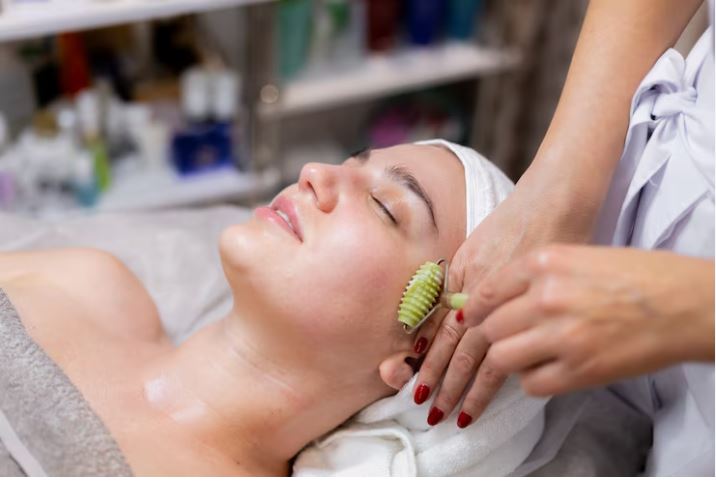
Healthy skin benefits from regular care, suitable products, and attention to individual needs. Visiting a Skin Care Clinic can help people understand common concerns such as acne, dark spots, dryness, uneven texture, and early signs of aging. Professional guidance can make it easier to choose treatments that match a person’s skin type and goals. A consistent routine, combined with suitable professional care, can support healthier looking skin over time.
Understanding Common Skin Concerns
Skin can change because of age, hormones, environmental conditions, and daily habits. Some people experience excess oil and frequent breakouts, while others struggle with dryness, sensitivity, or uneven pigmentation. These concerns may require different approaches, so using the same products for every skin type is not always effective. Understanding the cause of a concern is an important first step toward managing it.
Oily skin often produces excess sebum, which can contribute to clogged pores. Dry skin may feel rough, tight, or flaky after cleansing. Sensitive skin can react to fragrances, strong exfoliants, and certain cosmetic ingredients. A careful assessment helps identify suitable products and avoid unnecessary irritation.
Skin concerns may also appear together. For example, a person may experience acne and dark marks at the same time. Treating active acne while protecting the skin barrier can help prevent additional irritation. A balanced routine should address the skin’s current condition rather than focus on appearance alone.
Why Professional Skin Care Matters?
Professional skin care can provide a more structured approach to managing common cosmetic concerns. A consultation may include questions about current products, allergies, previous treatments, and personal goals. This information helps the practitioner recommend suitable options and explain their limitations. Some persistent or severe skin conditions may require assessment by a dermatologist.
Professional advice can also help people avoid unnecessary products. Using several active ingredients at once may cause redness, dryness, or sensitivity. A simple routine is often easier to follow and adjust. Introducing products gradually also makes it easier to identify possible reactions.
Another important part of professional care is setting realistic expectations. Some concerns improve within weeks, while others may require several months of consistent treatment. Results depend on the skin condition, chosen method, and individual response. Clear guidance helps people understand the likely benefits and limitations of each option.
Exploring Modern Skin Treatment Methods
Advanced Skin Treatments may help address specific cosmetic concerns when selected according to a person’s skin condition. Depending on the provider’s qualifications and available equipment, options may include chemical peels, microneedling, hydrating facials, and certain laser procedures. Each method works differently and carries its own benefits and risks. A consultation is necessary to determine whether a treatment is suitable.
Chemical peels use carefully selected solutions to exfoliate the skin. They may improve certain types of uneven pigmentation, rough texture, and acne related concerns. The strength of the peel affects its recovery time and potential side effects. Professional assessment is important because unsuitable treatments can cause burns, irritation, or changes in skin color.
Microneedling uses fine needles to create controlled micro-injuries in the skin. It may help improve the appearance of some acne scars and fine lines over time. Multiple sessions may be needed, depending on the concern being treated. Proper hygiene, practitioner training, and appropriate aftercare are essential.
Hydrating facials focus on cleansing, moisturizing, and improving the appearance of dehydrated skin. They may leave the skin feeling softer and more comfortable. The products and techniques should be chosen according to the person’s skin type. People with active irritation or certain skin conditions may need a modified treatment.
Managing Acne and Preventing Breakouts
Acne can affect people of different ages and may appear on the face, back, shoulders, and chest. It develops when hair follicles become blocked with oil and dead skin cells, often alongside inflammation. Hormonal changes and certain products can contribute to breakouts. Identifying the type and severity of acne helps guide suitable treatment choices.
A basic routine usually includes gentle cleansing, moisturizing, and sun protection. Some people may benefit from ingredients such as salicylic acid or benzoyl peroxide. These products should be introduced carefully because they can cause dryness or irritation. Persistent, painful, or scarring acne should be assessed by a qualified healthcare professional.
Picking or squeezing spots can worsen inflammation and increase the risk of scars. It is also important to choose products labeled non-comedogenic when appropriate. These products are designed to be less likely to block pores. Consistent skin care can help, but improvement often takes time.
Improving Uneven Skin Tone
Uneven skin tone can develop from sun exposure, acne marks, hormonal changes, and other forms of inflammation. Dark spots may take time to fade, and the correct approach depends on their cause. Using harsh products without understanding the underlying problem can make discoloration worse. Professional guidance can help identify suitable options.
Sun protection is a key part of managing pigmentation. A broad spectrum sunscreen with SPF 30 or higher helps protect the skin against ultraviolet radiation. Reapplication is important during extended outdoor exposure, especially after swimming or sweating. Wearing protective clothing and seeking shade can provide additional protection.
Some people may benefit from topical products containing ingredients designed to improve uneven pigmentation. Others may be suitable candidates for specific professional procedures. The choice depends on skin type, medical history, and the nature of the discoloration. Treatment plans should prioritize safety and gradual improvement.
Keeping the Skin Hydrated
Hydration helps maintain the skin’s comfort and protective barrier. When the barrier is weakened, the skin may become dry, rough, itchy, or sensitive. Frequent washing, harsh cleansers, and excessive exfoliation can contribute to these problems. Using suitable products can help reduce moisture loss.
Moisturizers containing ingredients such as glycerin and ceramides may help maintain skin hydration. People with oily skin may prefer lightweight formulations, while those with dry skin may benefit from richer creams. Fragrance-free products can be useful for people prone to sensitivity. The best choice depends on how the skin responds.
Daily habits also affect skin comfort. Hot water and long showers can worsen dryness for some individuals. Gentle cleansing and applying moisturizer after washing may help maintain moisture. If dryness or irritation continues despite basic care, professional assessment may be appropriate.
Choosing Treatments for Different Skin Types
Not every treatment is suitable for every person. Oily skin, dry skin, sensitive skin, and combination skin can respond differently to cosmetic procedures. A treatment that works well for one person may cause irritation in another. Individual assessment helps reduce this risk.
People with sensitive skin should discuss previous reactions before trying exfoliating treatments or procedures. Those with active acne, eczema, or other skin conditions may need to address these concerns before receiving certain cosmetic services. Some treatments may also be unsuitable during pregnancy or while using particular medications. Providers should review relevant health information before recommending a procedure.
A good treatment plan should be practical and easy to follow. It should account for the person’s budget, schedule, recovery time, and desired outcome. Patients should understand how many sessions may be needed and whether maintenance appointments are recommended. These details help them make informed choices.
The Importance of Professional Consultation
A consultation gives patients an opportunity to discuss their concerns before committing to a treatment. The practitioner should explain the procedure, expected results, possible side effects, and available alternatives. Patients should also receive clear instructions about preparation and aftercare. They should feel comfortable asking questions and taking time to decide.
It is wise to ask about the practitioner’s qualifications, experience, hygiene standards, and equipment. For procedures that penetrate the skin or use lasers, appropriate training and safety measures are especially important. Customers should also ask how unexpected reactions are managed. Transparent communication helps build confidence in the treatment process.
Cost is another factor to consider. A low initial price may not include follow-up visits, aftercare products, or additional sessions. Requesting a written quotation can help clarify the full cost. Comparing qualifications and safety standards is more useful than choosing a provider based on price alone.
Maintaining Results Through Daily Habits
Professional treatments work best when supported by suitable everyday habits. Gentle cleansing, moisturizing, and regular sunscreen use can help maintain the skin barrier. People should avoid introducing several strong products immediately after a procedure unless their practitioner advises otherwise. Following aftercare instructions can reduce irritation and support recovery.
Sleep, balanced nutrition, and avoiding smoking can also support general skin health. Drinking enough water helps maintain normal hydration, although water alone cannot resolve every skin concern. Consistent habits are more useful than frequently switching between products. Skin care should be adjusted when the weather, skin condition, or personal needs change.
People should monitor how their skin responds to new products and treatments. Mild, temporary effects may occur after some procedures, but severe pain, increasing swelling, blistering, or signs of infection require prompt medical attention. Contacting a qualified healthcare professional is the safest response to unexpected symptoms. Regular reviews can help determine whether a routine remains appropriate.
Finding Suitable Skin Rejuvenation Services
People interested in improving skin texture, hydration, and overall appearance should look for services that match their needs. A Skin Rejuvenation Clinic may offer options such as facials, chemical peels, microneedling, or selected laser procedures, depending on the provider’s training and facilities. Before starting treatment, customers should ask about the expected benefits, risks, recovery period, and total cost. A personalized consultation helps determine which services are suitable.
It is also useful to maintain a record of previous treatments and skin care products. This information can help the practitioner identify possible sensitivities and adjust future recommendations. Patients should follow the recommended treatment schedule and avoid combining intensive procedures without professional guidance. Taking a gradual approach can help reduce unnecessary irritation and support more consistent results.
Conclusion
Healthy skin requires a combination of appropriate daily care, sun protection, realistic expectations, and professional advice when needed. Understanding individual skin concerns can help people choose suitable treatments for acne, dryness, pigmentation, and uneven texture. Before undergoing a cosmetic procedure, customers should review the practitioner’s qualifications, safety practices, possible side effects, and aftercare requirements.
London Aesthetics & Rejuvenation Center – Thokar Niaz Baig serves people seeking skin care and rejuvenation services in Thokar Niaz Baig, Lahore, and the surrounding areas. Interested individuals can contact the center to learn about available services and discuss their skin care goals. Choosing suitable treatments and following professional guidance can help people make informed decisions about their skin care routine.