
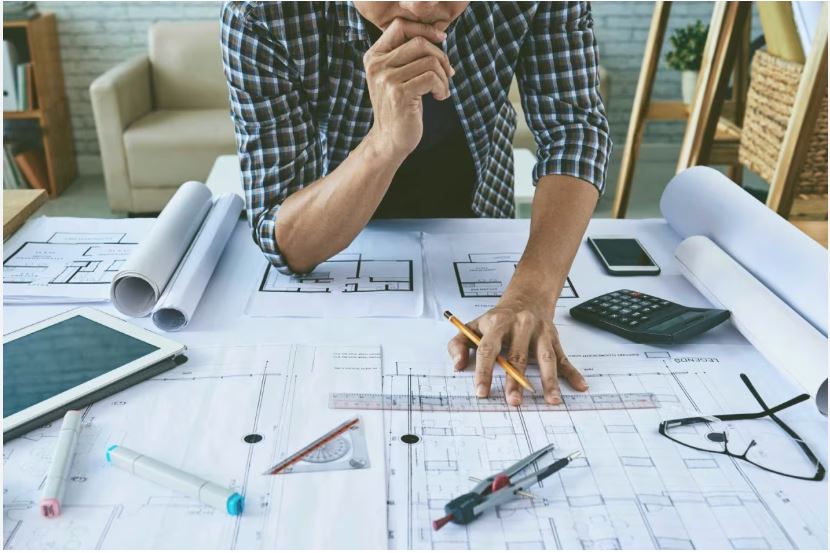
A home renovation can improve comfort, space, and daily functionality. A General Contractor can help organize the different parts of a construction project and keep the work moving in the right order. From planning and material selection to construction and final details, each stage needs proper coordination. A well-planned project can also help homeowners avoid common delays and unnecessary problems.
Plan Your Project Before Construction
Every home improvement project should begin with a detailed plan. Homeowners need to decide what they want to change and why the renovation is needed. The project plan should consider the property’s current condition, available space, budget, and expected results. Clear planning can make the construction process easier to manage.
The first step is usually an assessment of the existing property. This can reveal problems with walls, flooring, plumbing, electrical systems, roofing, or other areas. Identifying these issues early can prevent surprises during construction. It also helps determine which improvements should receive priority.
Homeowners should also discuss their ideas with the construction team. Details about room layouts, materials, colors, fixtures, and finishes can be reviewed before work begins. Early decisions can reduce confusion once construction starts. They can also help keep the project within the planned scope.
Add Useful Space to Your Property
Many homeowners eventually need more space. Families grow, work requirements change, and rooms may need to serve multiple purposes. An addition can provide extra space without requiring homeowners to move to another property. Custom Home Additions can be planned according to the home’s existing structure and the specific needs of the household.
A new addition may be used for many purposes. Homeowners can create an additional bedroom, office, family room, guest area, or expanded kitchen. The layout should provide comfortable movement and practical access. It should also connect naturally with the existing home.
The exterior design should be considered as well. Rooflines, windows, doors, siding, and other materials can be selected to complement the existing structure. This can help the new area feel like part of the original property. Proper planning can also address insulation, heating, cooling, plumbing, and electrical requirements.
Remodel Outdated Interior Areas
Interior remodeling can give older rooms a new purpose. Kitchens, bathrooms, bedrooms, living rooms, and other spaces can be redesigned around current household needs. The work may include new flooring, cabinets, lighting, walls, fixtures, and storage. Each improvement should support the overall function of the room.
Kitchens often require careful planning because many activities happen in the same space. Cooking, cleaning, food preparation, and storage all need to work together. Cabinet placement and countertop space should be considered before installation. Lighting and electrical outlets should also be positioned based on daily use.
Bathrooms require attention to both appearance and performance. Water-resistant materials can help handle regular moisture exposure. Proper ventilation can help control humidity. New fixtures, storage, flooring, and lighting can also improve the usability of the room.
Improve Your Living Spaces
Living rooms are often used for family activities, entertainment, and relaxation. Remodeling can make these areas more comfortable and flexible. Homeowners may improve flooring, lighting, walls, windows, storage, or room layouts. The design should match how the household uses the space.
Open layouts are popular in many homes, but they are not suitable for every property. Some homeowners may prefer separate areas for work, dining, and relaxation. A thoughtful layout can balance openness with practical separation. The existing structure should always be considered before removing walls or changing room boundaries.
Storage improvements can also make a major difference. Built-in shelves, cabinets, closets, and other solutions can help reduce clutter. Using vertical space can provide additional storage without taking up much floor area. Good storage planning can make rooms easier to maintain.
Upgrade Exterior Features
Exterior improvements can improve the appearance and function of a property. Homeowners may consider new siding, windows, doors, roofing, decks, porches, or outdoor living spaces. Exterior remodeling can also address areas that have suffered from weather exposure. The right materials can provide both practical and visual improvements.
Weather conditions should influence material selection. Exterior surfaces may need to withstand rain, snow, wind, sunlight, and temperature changes. Proper installation is important for protecting the structure. Materials should also be selected according to their maintenance requirements.
Drainage is another important consideration. Water should be directed away from areas where it could cause structural or moisture problems. Gutters and downspouts should work properly and direct water to suitable locations. Exterior remodeling can provide an opportunity to identify and correct drainage concerns.
Focus on Energy Efficiency
Home renovations can also provide opportunities to improve energy performance. Better insulation can help regulate indoor temperatures. Energy-efficient windows and doors may reduce unwanted heat transfer. Improvements to heating, cooling, and lighting systems can also contribute to more efficient energy use.
Air leaks around windows, doors, walls, and other areas can affect indoor comfort. Sealing these areas may help maintain more consistent temperatures. Insulation should be appropriate for the property’s construction and local conditions. A professional assessment can help identify areas that need attention.
Lighting upgrades can provide another practical improvement. LED fixtures use less energy than many older lighting options and can provide different levels of brightness. Homeowners can select lighting based on the purpose of each room. Proper placement can also improve visibility and comfort.
Choose Materials Carefully
Material selection can affect the appearance, durability, and maintenance of a renovated home. Homeowners should consider how frequently each area will be used. High-traffic rooms may require durable flooring and surfaces. Bathrooms and kitchens may require materials designed to handle moisture.
The cost of a material should not be the only consideration. Installation requirements, maintenance, expected lifespan, and availability can also affect the overall value of a choice. Some products may require specialized installation. Discussing these factors before purchasing materials can prevent problems later.
It is also helpful to select materials before the related construction stage begins. Delayed decisions can sometimes slow down the project. Having products ready at the right time can help workers maintain the schedule. This is especially important for custom or special-order items.
Keep Construction Organized
Large renovation projects may involve several trades. Carpenters, electricians, plumbers, painters, flooring installers, and other specialists may need to work at different times. Their schedules should be coordinated carefully. One delayed task can affect several other parts of the project.
Material deliveries should also follow the construction schedule. Items that arrive too late can delay installation. Items that arrive too early may require additional storage space. Good coordination can help reduce these problems.
Quality checks should happen throughout the project. Completed work can be reviewed before the next stage begins. If an issue is discovered, it can be corrected before additional materials cover the area. Regular checks can help maintain consistent workmanship.
Manage Your Renovation Budget
Budget control is another important part of home remodeling. Homeowners should consider labor, materials, permits, equipment, and possible repairs. Setting aside some funds for unexpected conditions can provide additional flexibility. Older properties may contain hidden issues that are not visible during the initial planning stage.
Changes during construction can also affect costs. Homeowners should discuss changes with the contractor before approving additional work. They should understand how the change may affect the budget and schedule. Keeping decisions documented can help everyone stay on the same page.
A clear estimate can make financial planning easier. Homeowners can compare their goals with the available budget and decide which improvements are most important. Some optional upgrades can be postponed if necessary. This allows essential construction work to remain the main focus.
Prepare for the Remodeling Process
Homeowners should prepare their property before construction begins. Furniture, personal belongings, and valuable items should be moved away from active work areas. Clear access routes can make it easier for workers to bring in tools and materials. Temporary changes to household routines may also be necessary.
Construction can create dust, noise, and temporary restrictions. Families should understand which areas will remain accessible during the project. Larger renovations may require temporary cooking, working, or living arrangements. Planning these details ahead of time can make the process more manageable.
Safety should remain a priority throughout construction. Children and pets should stay away from active work zones. Tools and construction materials should be stored safely. Keeping the work area organized can reduce unnecessary hazards.
Select an Experienced Remodeling Team
Choosing a construction company requires careful research. Homeowners can review previous projects, services, experience, and customer feedback. It is also useful to ask about scheduling, materials, project communication, and handling of unexpected issues. These discussions can help homeowners understand how the project will be managed.
Experience with similar renovation projects can also be useful. A team that understands different construction stages can coordinate work more effectively. However, homeowners should still explain their specific goals and property requirements. Every renovation has its own challenges and priorities.
Clear communication should continue throughout the project. Homeowners should receive updates about progress and any changes that may affect the schedule. Questions should be addressed before they become larger problems. This can help create a more organized remodeling experience.
Work With a Professional Remodeling Contractor
Finding the right Home Remodeling Contractor is an important part of planning a successful renovation. Homeowners should discuss their project goals, preferred materials, budget, and expected timeline before work begins. A professional team can coordinate different construction tasks and help keep the project organized. Good communication can also make it easier to address changes or unexpected conditions.
Conclusion
Home improvement projects can transform unused, outdated, or poorly planned areas into more functional spaces. Careful planning, suitable materials, organized scheduling, and clear communication can all contribute to a smoother construction process. Homeowners in Thornton, CO, and nearby communities can consider Loco Designs for construction and remodeling services based on their individual property needs. Loco Designs serves Thornton, CO, and surrounding areas with solutions for a range of residential improvement projects.